
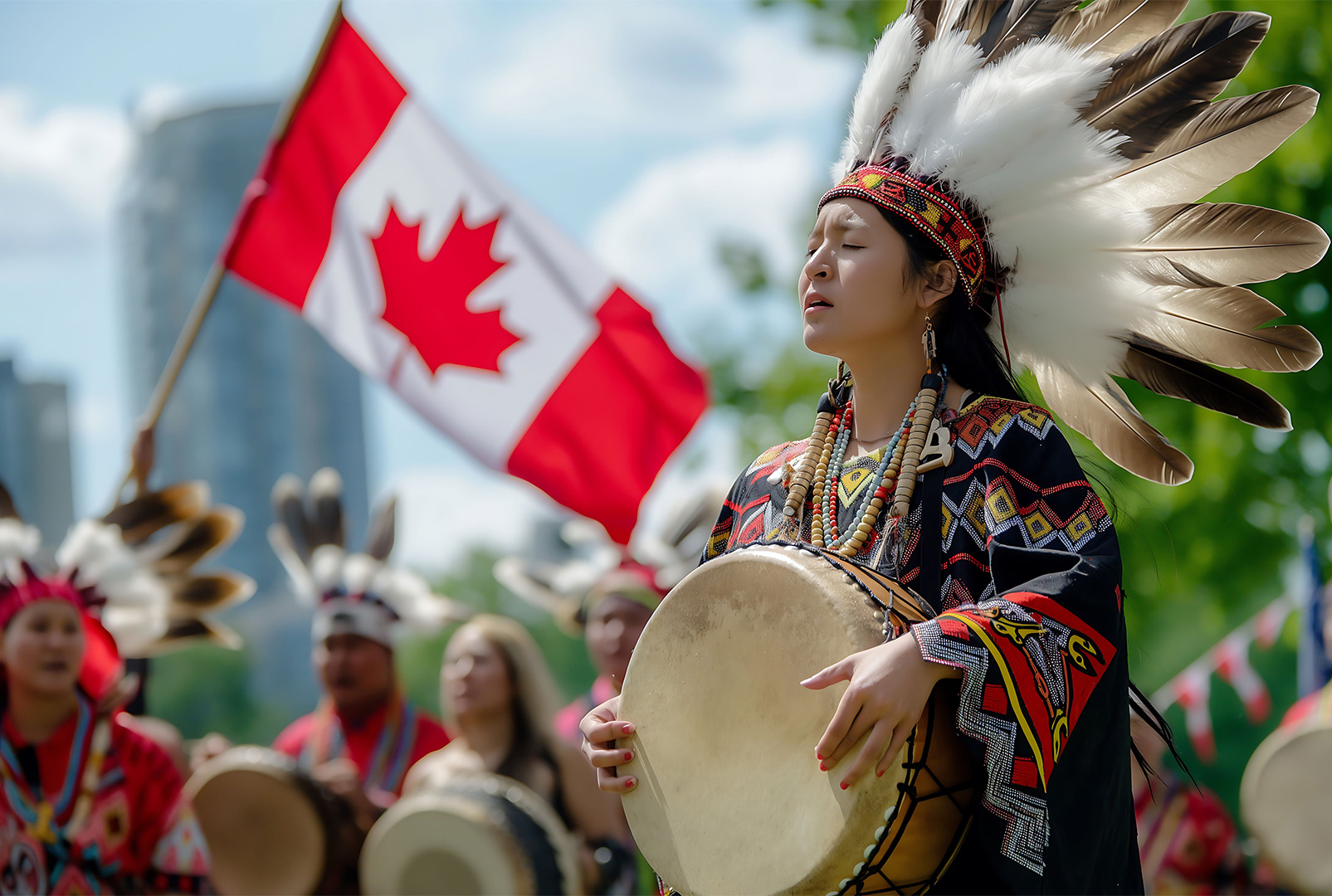
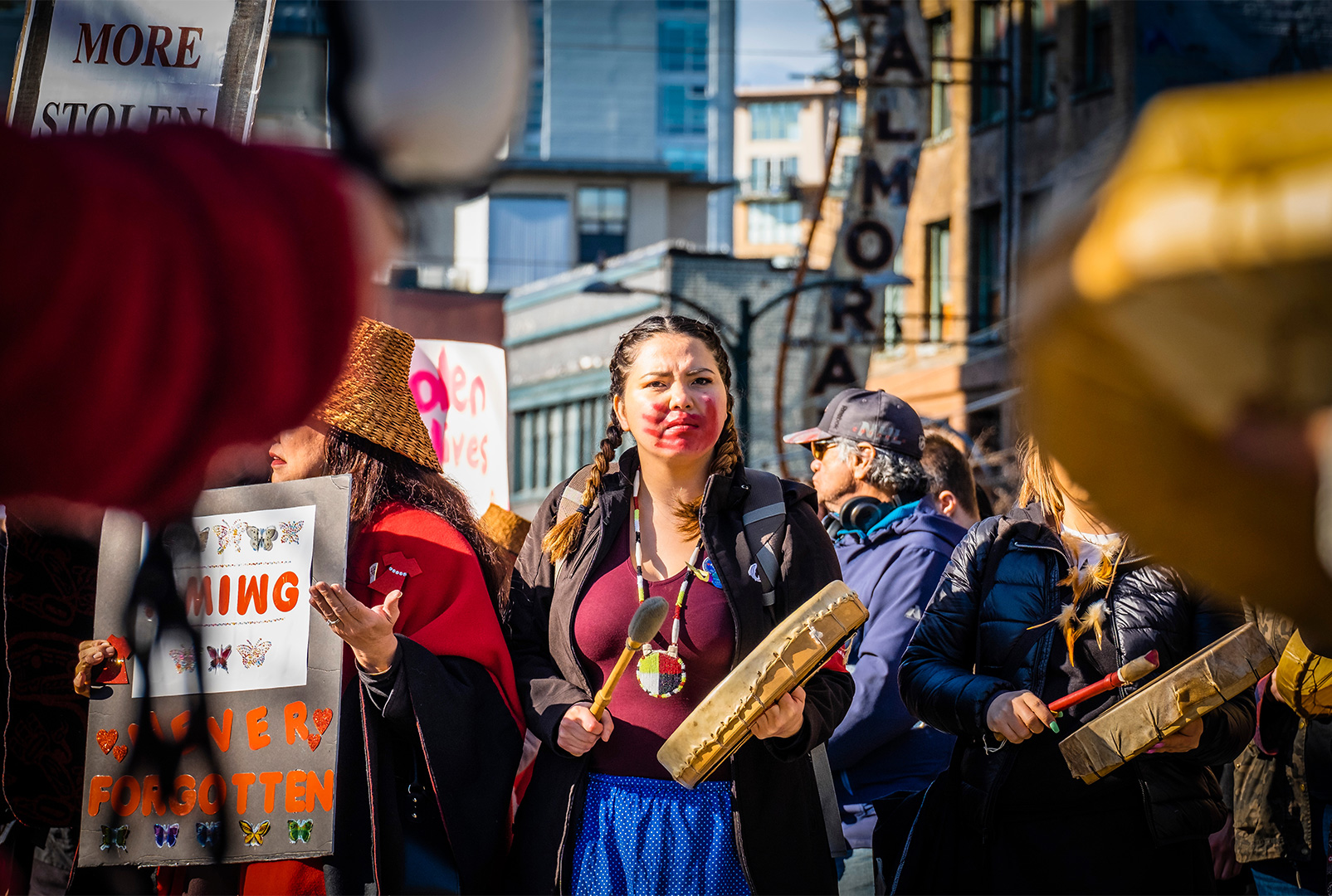

At Nanda & Associate Lawyers, we acknowledge that our office (and operations) are located on the traditional and ancestral territories of the Mississaugas of the Credit First Nation, and within the broader traditional lands of the Haudenosaunee Confederacy and the Huron-Wendat peoples.
We recognize that this land has been cared for by Indigenous peoples since time immemorial, and continues to be home to First Nations, Métis, and Inuit peoples across Ontario and Canada.
This acknowledgment is an expression of our respect for Indigenous peoples who have helped build this country. It also reflects our duty to listen and our commitment to reconciliation. We recognize that colonization has disrupted Indigenous relationships to their land, culture, and community — and that justice demands we engage in humility, learning, and ongoing action.
By acknowledging these territories, we aim to honor the stories, languages, and contributions of Indigenous nations, and recognize their continuing presence, resilience and longevity.
This acknowledgment is an expression of our respect for Indigenous peoples who have helped build this country. It also reflects our duty to listen and our commitment to reconciliation. We recognize that colonization has disrupted Indigenous relationships to their land, culture, and community — and that justice demands we engage in humility, learning, and ongoing action.
By acknowledging these territories, we aim to honor the stories, languages, and contributions of Indigenous nations, and recognize their continuing presence, resilience and longevity.
We are committed to:
We understand that acknowledgment is a step, not an endpoint, and that real responsibility lies in sustained and respectful engagement.
Whether you have a quick question or need in-depth assistance, we're here to help. Visit our office or reach out today!