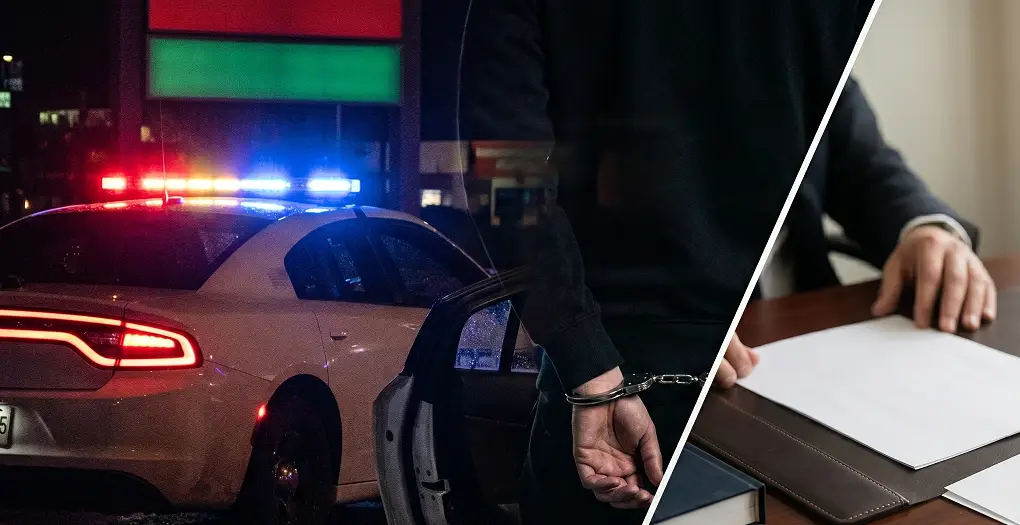


Getting a call that someone you love has been arrested—or worse, being arrested yourself—for drug trafficking is one of the most terrifying moments a person can face. The charges feel enormous. The penalties you’ve heard about sound career-ending, life-altering, and permanent. And in many cases, that fear is exactly what the Crown counts on.
But here’s what years of criminal defence work have shown us: a charge is not a conviction. What happens between your arrest and your court date—and who is in your corner during that time—makes all the difference.
If you or someone you care about is dealing with drug trafficking charges in Canada, this guide will walk you through what you’re actually facing, what a drug trafficking lawyer can do for you, and why getting experienced legal help from day one is the single most important decision you’ll make.
What Does “Drug Trafficking” Actually Mean in Canada?
Most people picture a large-scale operation when they hear the word “trafficking.” The reality under Canadian law is far broader—and that surprises a lot of people.
Under Section 5 of the Controlled Drugs and Substances Act (CDSA), drug trafficking covers selling, administering, giving, transferring, transporting, sending, or delivering a controlled substance. It also includes simply offering to do any of these things—even if no transaction ever took place.
Here’s the part that catches many people completely off guard: sharing a substance with a friend, for free, with no money involved, can legally be considered trafficking under the CDSA. The law doesn’t require a sale. It doesn’t require profit. It requires distribution—and the definition of that word is very wide.
This is why the moment you’re charged, you need a crime lawyer in Mississauga or wherever you’re located who knows this area of law inside and out. The stakes are too high to navigate this alone.
What Are the Penalties for Drug Trafficking in Canada?
The penalties depend heavily on which Schedule the substance falls under in the CDSA. Canada classifies controlled substances into Schedules I through V, with Schedule I containing the most serious drugs—cocaine, fentanyl, heroin, methamphetamine, and opioids.
Here’s a plain-language breakdown:
Schedule I and II substances (cocaine, fentanyl, heroin, meth, cannabis-related):
- Trafficking or possession for the purpose of trafficking is a straight indictable offence.
- Maximum penalty: life imprisonment.
- Mandatory minimum sentences apply in aggravated circumstances.
Schedule III and V substances (psychedelics, certain stimulants):
- Hybrid offence—the Crown can elect to proceed by indictment or summarily.
- Maximum on indictment: 10 years.
- Maximum on summary conviction: 18 months.
Schedule IV substances (barbiturates, some prescription drugs):
- Also hybrid.
- Maximum on indictment: 3 years.
Aggravating factors that push sentences higher include trafficking near a school or area frequented by minors, prior CDSA convictions, involvement with organized crime, and large quantities of the substance.
These are serious consequences. But they’re also the starting point of a conversation—not the inevitable outcome.
What Happens After You’re Charged?
Understanding the process helps reduce the anxiety of not knowing what comes next. Here’s a realistic timeline:
Immediately after arrest: You have the right to remain silent and the right to speak with a lawyer before answering any questions. Exercise both. Anything you say can be used against you in court, and police are permitted to use lawful tactics to gather information during questioning.
Bail hearing: Drug trafficking charges are taken seriously by the Crown, and bail is not automatic. An experienced drug possession lawyer can make the difference between waiting for your trial at home or in custody.
Disclosure: Once charges are laid, your lawyer is entitled to full disclosure—every piece of evidence the Crown intends to rely on. This is where defence work truly begins. The disclosure package tells your lawyer exactly what the police did, how they gathered evidence, and where vulnerabilities in the Crown’s case might exist.
Resolution or trial: The majority of criminal cases in Canada are resolved before trial—through withdrawn charges, negotiated pleas, or diversion programs. If the case proceeds to trial, a Superior Court matter can take anywhere from 18 to 30 months from charge to verdict.
That timeline matters because of a landmark Supreme Court of Canada decision called R. v. Jordan, which set strict limits on how long a case can take. If the Crown causes unreasonable delay beyond those limits, your lawyer can apply to have the charges stayed entirely.
How a Drug Trafficking Lawyer Actually Builds Your Defence
This is the part most people don’t fully understand until they’re sitting across from their lawyer. A drug trafficking defence rarely starts with “Did they do it?” It starts with, “How did the police get their evidence—and was every step of that process lawful?”
Here are the most powerful defence strategies used by experienced criminal lawyers in Canada:
1. Charter Challenges — The Most Powerful Tool in Defence Law
The Canadian Charter of Rights and Freedoms protects every person in Canada from unlawful police conduct. In drug cases, the relevant Charter rights are:
- Section 8 — The right to be free from unreasonable search and seizure
- Section 9 — The right not to be arbitrarily detained
- Section 10(b) — The right to retain and instruct counsel without delay
- Section 11 — Rights at trial, including the right to be tried within a reasonable time
If police searched your home, car, or phone without a valid warrant—or with a warrant obtained on shaky grounds—your lawyer can bring what’s called a Charter motion to have that evidence excluded under Section 24(2) of the Charter. In drug cases, the drugs themselves are almost always the primary evidence. Exclude them, and the Crown typically has no case left to prosecute.
This is exactly why the question isn’t always “Were the drugs there?” It’s, “Did the police follow the law to find them?”
2. Challenging Intent — The Crown Must Prove You Meant to Traffic
For a trafficking conviction, the Crown must prove beyond a reasonable doubt that you intended to distribute or sell the substance. That’s not always straightforward.
Possession for the purpose of trafficking is often inferred from circumstantial evidence—packaging materials, scales, large quantities of cash, text messages, and the quantity of drugs found. Each of these can be challenged.
Quantity alone doesn’t prove intent to traffic. A large amount of a substance could reflect personal use—particularly where there’s evidence of addiction or personal consumption patterns. A skilled drug trafficking lawyer will scrutinize every piece of circumstantial evidence the Crown relies on and present alternative explanations rooted in the specific facts of your case.
3. Entrapment—When Police Cross the Line
Entrapment occurs when law enforcement provides an opportunity to commit an offence to someone who was not already engaged in criminal activity, or when police go beyond simply providing an opportunity and actively induce the commission of an offence.
Undercover operations are common in drug trafficking investigations. When those operations cross into coercion or manufactured criminality, your lawyer can raise an entrapment defence—and if successful, the result is a stay of proceedings, meaning the charge is effectively dismissed.
4. Mistaken Identity and Chain of Custody Issues
In operations involving multiple parties or surveillance over extended periods, the Crown must establish clearly that you are the individual involved in the alleged trafficking. Misidentification happens more often than most people realize.
Additionally, the drugs themselves must be properly identified through laboratory analysis. Delays, errors, or chain-of-custody problems in how evidence was handled between collection and analysis can undermine the reliability of that evidence in court.
5. The Jordan Application — Unreasonable Delay
As mentioned earlier, the Supreme Court’s R. v. Jordan decision means that if your case drags past established time limits due to systemic delay or Crown conduct, your lawyer can apply to have charges stayed. This isn’t a technicality—it’s a constitutional right to a trial within a reasonable time.
What if this is your first offence?
Being a first-time offender in a drug trafficking case in Canada doesn’t eliminate the seriousness of the charges, but it does create real opportunities for better outcomes.
Courts in Canada consider prior criminal history a significant factor in sentencing. A person with no prior record, particularly one who can demonstrate genuine remorse, stable community ties, and prospects for rehabilitation, is generally in a better position than a repeat offender.
In some cases—particularly where the trafficking involved small quantities and Schedule III or lower substances—a first-time offender may be eligible for diversion programs, conditional sentences, or discharges that avoid a permanent criminal record entirely. These outcomes are rarely achieved without a lawyer who knows how to present your case effectively and negotiate with Crown counsel.
How Drug Trafficking Charges Can Affect Your Immigration Status
If you are a permanent resident, temporary resident, or foreign national in Canada, a drug trafficking conviction carries consequences that extend far beyond criminal penalties.
Under the Immigration and Refugee Protection Act (IRPA), serious criminality—which includes trafficking convictions—can make you inadmissible to Canada and subject to deportation proceedings. Even a conviction on a lesser included offence can trigger immigration consequences depending on its classification.
This is why it’s critical that your criminal defence lawyer and, where appropriate, immigration lawyer work together to understand the full picture of what a plea or conviction means for your status in Canada. Accepting a plea to “make the criminal case go away” without considering immigration implications is a mistake that can have permanent consequences.
How to Beat a Drug Possession Charge in Canada—Lawyer Advice
If you’re searching for how to beat a drug possession charge in Canada, lawyer advice consistently points to the same foundational principles:
First, say nothing to the police without a lawyer present. This cannot be overstated. The right to silence exists precisely because statements made in the immediate aftermath of an arrest—when you’re scared, confused, and without legal advice—are disproportionately used against people at trial.
Second, get a lawyer involved at the bail stage. The conditions of your release, and whether you’re released at all, set the tone for everything that follows. Restrictive bail conditions can affect your ability to work, support your family, and assist in your own defence.
Third, don’t discuss your case with anyone other than your lawyer. Not friends, not family, not cellmates. Communications with your lawyer are protected by solicitor-client privilege. Communications with anyone else are not, and they can be subpoenaed.
Fourth, preserve everything. If you believe there are witnesses, locations, or records that support your version of events, tell your lawyer immediately. Evidence disappears over time. Surveillance footage gets overwritten. Witnesses move.
Fifth, trust the process, not assumptions. Many people facing charges assume conviction is inevitable because they don’t understand how much a skilled defence lawyer can do with the right facts and the right legal arguments. The outcome of a drug trafficking case in Canada depends enormously on the quality of the defence mounted on your behalf.
Why Nanda & Associate Lawyers
At Nanda & Associate Lawyers, our criminal defence team has represented clients across the full spectrum of drug-related charges—from possession to trafficking—in courts throughout Ontario. We understand that behind every file is a person whose life, freedom, and future are at stake.
Our approach is straightforward: We review every piece of disclosure with care, identify every potential charter argument, and build a defence strategy based on the specific facts of your case—not a template. We don’t believe in a one-size-fits-all legal strategy, because no two cases are the same.
With offices in Mississauga and Toronto and a team that speaks 15+ languages, we are accessible to the communities we serve. Whether you are dealing with a first charge or a complex multi-party prosecution, our crime lawyers in Mississauga are ready to fight for you.
Book a consultation today—the earlier you have legal counsel involved, the stronger your position.
Frequently Asked Questions
Can drug trafficking charges be dropped in Canada?
Yes. Charges can be withdrawn or stayed if there are charter violations, insufficient evidence of intent, problems with how evidence was obtained, or unreasonable delay in bringing the case to trial. Early involvement of a defence lawyer maximizes the likelihood of identifying these issues.
Will I go to jail for a first drug trafficking offence in Canada?
Not necessarily. While trafficking in Schedule I substances carries serious penalties, first-time offenders—particularly in cases involving small quantities or lower-schedule substances—may be eligible for non-custodial outcomes. Each case turns on its own facts.
Can police search my phone after arresting me for drug trafficking?
Generally, no, not without a specific search warrant. Searching a phone without authorization is a violation of Section 8 of the Charter and can result in evidence obtained from that phone being excluded at trial.
How long does a drug trafficking case take in Canada?
Most cases take between 12 and 30 months, depending on complexity and the level of court. Under R. v. Jordan, delays beyond 18 months in provincial court or 30 months in Superior Court can entitle the accused to a stay of proceedings.
Does a drug trafficking conviction affect my ability to travel to the US?
Yes. A conviction for a drug trafficking offence can render you inadmissible to the United States under American immigration law. This is an important consideration in any plea discussions.