



The Mississauga skyline is a daily reminder of how fast things change in the GTA. From the modern glass skyscrapers of the City Centre to the serene, old-world charm of Streetsville and the sprawling family properties of Lorne Park, the real estate landscape is as diverse as those who inhabit it. But if you’ve been browsing listings lately, you’ll realize that the journey from “just thinking about it” to unlocking the door is seldom smooth.
In 2026, the pressure is greater than ever. In today’s environment of changing interest rates, changing provincial tax rebates and a lightning-fast, digital-first closing process, having expert residential real estate lawyers in Mississauga is not just about checking a box on your closing checklist – it’s about protecting your financial future.
At Nanda & Associate Lawyers, we don’t simply process paperwork, we manage transitions. Having successfully closed over 30,000 transactions, we recognize that each contract is a significant life event. Here is an insider’s look at how to navigate the Mississauga market without the stress.
The 2026 Mississauga Market: Why Strategy Now Beats Speed
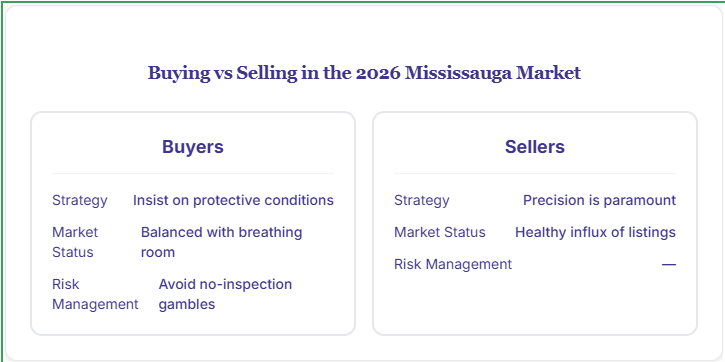
The “frenzy” of previous years has largely cooled, giving way to a 2026 market that is surprisingly balanced. For buyers, this is good news—you finally have breathing room. For sellers, it means precision is paramount.
What’s Changing on the Ground?
The Inventory Shift: We are seeing a healthy influx of listings. This means buyers can—and should—insist on protective conditions. Gone are the days of “no-inspection” gambles.
New Tax Realities: The Ontario government’s 2026 budget has refreshed the HST New Housing Rebates. If you’re eyeing a new build up to $1.5 million, the savings are significant, but the CRA’s requirements for these rebates are notoriously picky. One wrong form can cost you thousands.
The Digital Handshake: Remote signings are the new norm. While clicking a link to sign your mortgage is convenient, it requires a legal team with high-level cybersecurity to ensure your sensitive data (and your money) doesn’t end up in the wrong hands.
In this climate, Mississauga residential real estate lawyers act as your gatekeepers. We make sure the “deal of a lifetime” doesn’t turn into a decade of legal headaches.
The Danger of the “Post-Signature” Call
A common mistake we see is the “after-the-fact” phone call. A client calls us saying, “I just signed the Agreement of Purchase and Sale (APS), can you take a look? “By then, the cement is already drying. The APS is a powerful legal contract. Once both parties sign, changing a single comma requires mutual consent, which is rarely given for free. Ideally, your lawyer should be reviewing that document before your pen touches the paper.
Decoding the Agreement of Purchase and Sale
When we review an APS, we aren’t just looking for typos. We are looking for traps:
- Vague Conditions: We ensure clauses for home inspections or financing are “tight.” If a basement has a crack, you need a clear out, not a vague promise.
- The Pre-Construction Trap: Builders love to bury “development charges” in the fine print. These can include anything from education levies to tree-planting fees. Without a lawyer negotiating a “cap” on these costs, you could be hit with an extra $20,000 bill on closing day.
- Title Search Deadlines: There is a specific window where we can object to issues found on the title. If your contract doesn’t allow enough time for a thorough search, you’re taking on the seller’s past problems.
Why the Title Search is Your Shield
Your “Title” is your proof of ownership. Our team of residential real estate lawyers in Mississauga performs what we call “legal archaeology.” We dig into the history of your specific plot of land to find:
- Financial Ghosts: Unpaid property taxes, old mortgages that weren’t properly discharged, or even construction liens from a kitchen reno done three years ago.
- Boundary Disputes: Is that beautiful cedar fence actually two feet inside your neighbor’s property?
- Zoning Myths: That “income-generating basement suite” might not meet fire codes or Mississauga’s specific secondary suite bylaws. We find out before you buy.
Closing Day: What Actually Happens?
Most clients think closing day is just about picking up keys. In reality, it’s a high-stakes electronic relay race. While you’re coordinating the moving truck, your legal team is performing a dozen synchronized tasks between the seller’s lawyer, your lender, and the Land Registry Office
.A Tale of Two Sides: The Closing Breakdown
| The Buyer’s Perspective | The Seller’s Perspective |
| Mortgage Execution: We walk you through the mountain of bank documents, explaining exactly what your obligations are. | Lien Clearance: We ensure that any existing debts tied to the house are paid in full from the sale proceeds. |
| The Trust Account: We receive your down payment and mortgage funds, holding them securely until the moment of transfer. | Statement of Adjustments: We calculate who owes what for property taxes or utilities already paid for the month. |
| Tax Remittance: We calculate and pay your Provincial Land Transfer Tax (and help you claim the First-Time Buyer rebate if applicable). | Deed Preparation: We draft the legal transfer of ownership and ensure it’s ready for electronic registration. |
| Registration: We hit “submit” on the provincial system, making you the official owner of record. | Key Release: Once the money is confirmed in our account, we authorize the release of the keys or lockbox codes. |
Buying vs. Selling: Tailoring the Protection
The risks of a real estate transaction aren’t symmetrical. Depending on which side of the “For Sale” sign you’re on, you need a different kind of protection.
If You are Buying:
You are fighting the “As-Is” trap. In Ontario, the principle of Caveat Emptor (Buyer Beware) is still very much alive. If the roof leaks the day after you move in, it’s usually your problem unless your lawyer ensured there were specific warranties in the contract. We also facilitate Title Insurance, a crucial safety net that covers you against title fraud or municipal work orders you didn’t know about.
If You are Selling:
Your enemy is “The Domino Effect.” Most sellers are using the money from their sale to buy their next home on the same day. If your buyer’s financing gets delayed by even three hours, it can jeopardize your own purchase. We work proactively with the buyer’s lawyer weeks in advance to ensure there are no “last-minute surprises” that could leave your moving truck sitting on the curb.
The Mississauga Condo Special: Status Certificates and Cooling Off
Mississauga’s skyline is dominated by condos, and buying one requires a completely different legal toolkit.
The Status Certificate Review: This is a 100+ page document detailing the health of the Condo Corporation. We look for “red flags”—is the reserve fund underfunded? Are there major repairs planned that will spike your monthly fees? Is there a lawsuit against the builder?
The 10-Day “Cooling Off” Period: When you buy a brand-new condo from a developer, Ontario law gives you 10 days to change your mind. This is the only time we can truly “vet” the builder’s contract and negotiate better terms for you. If you don’t have a lawyer review it in those 10 days, you are stuck with whatever the builder wrote.
The Nanda Advantage: Why Local Expertise Matters
When you search for residential real estate lawyers in Mississauga, you’ll find plenty of options. But real estate law isn’t a commodity; it’s a service. We have built our reputation on three pillars at Nanda & Associate Lawyers:
- Multicultural Context: Mississauga is one of the most diverse cities in the world. We know your language – literally and culturally. We know the subtleties of international fund transfers, the specific needs of families moving to Canada.
- Transparent, Predictable Pricing: We hate “legal fee surprises” as much as you do. We provide clear, upfront quotes that break down disbursements (like registration fees and software charges) so you know exactly what your “cash to close” will be.
- A Holistic Approach: Sometimes a real estate deal isn’t just a deal. It’s part of a divorce settlement, an estate plan, or a corporate relocation. Because we are a full-service firm, we can pull in our family or estate law colleagues to ensure your property purchase fits into your larger life picture.
Expert Insights: Addressing Your Practical Concerns
How much should I actually budget for closing costs?
Beyond the purchase price, you should typically budget 1.5% to 4% of the home’s price for closing costs. This includes Land Transfer Tax, legal fees, title insurance, and adjustments. Our team provides a “Pre-Closing Statement” so you aren’t scrambling for funds at the eleventh hour.
What happens if the move-in date is delayed?
Delays happen—whether it’s a construction lag or a banking glitch. We draft “Escrow Agreements” that allow you to move in even if the money hasn’t fully cleared yet, or we negotiate “daily penalty” credits to cover your storage and hotel costs if the seller isn’t ready.
Final Thoughts: Peace of Mind in a Concrete Jungle
Your home is likely your most significant financial asset. While it’s tempting to look for the “budget” legal option, the cost of a single mistake—a missed lien or a poorly drafted easement—can haunt you for decades. You deserve a partner who is as invested in your move as you are. Someone who answers the phone, explains the “legalese” in plain English, and stands between you and the risks of the market
.Ready to secure your next home?
Don’t leave the biggest transaction of your life to chance. Whether you’re in Square One, Clarkson, or Meadowvale, our team is ready to help.
Contact Nanda & Associate Lawyers today for a personalized consultation. Let’s work together to make your move into your new Mississauga home as smooth as the view from the Lakeshore
Frequently Asked Questions (FAQ’S)
Generally, no. This is a conflict of interest in Ontario. Each party needs “Independent Legal Advice” to ensure their specific rights are protected if something goes wrong.
Absolutely. Even if no money is changing hands, the transfer triggers Land Transfer Tax obligations and must be registered correctly to avoid future issues with capital gains tax or estate planning.
While not technically mandatory by law, almost every lender requires it. It protects you against title fraud, existing work orders, and survey issues. For a one-time fee, it’s the best “sleep-at-night” insurance you can buy.